Aug 26, 2026
From Product Idea to Manufacturing in China: Solving the Engineering Gap
Turn a product idea into a manufacturable design with engineering, PCBA, prototypes, supplier coordination, testing and production support.
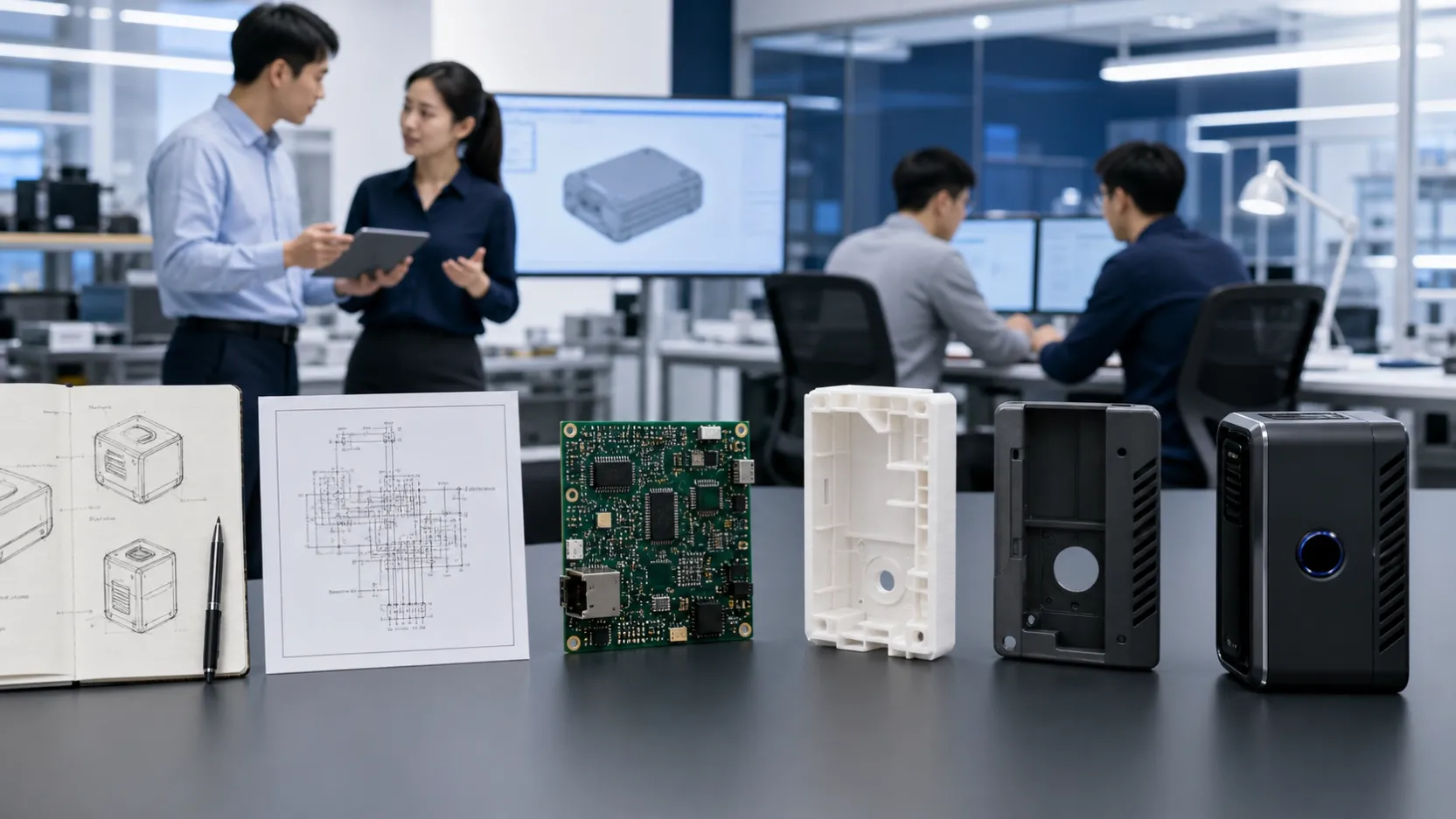
Many buyers do not need an existing product with a new logo. They have an idea, industrial design or list of functions and need a practical path to engineering and production.
The challenge is that one factory rarely controls every part of a new product. Industrial design, mechanical engineering, electronics, PCBA, firmware, tooling, certification, assembly and packaging may involve several specialists. Without coordination, each supplier can optimize its own part while the complete product still fails.
Where product-development projects become stuck
Typical problems include:
- the concept has no complete technical specification;
- a factory can manufacture parts but cannot develop the function;
- the solution company can design the electronics but does not control final assembly;
- mechanical and electronic designs do not fit together;
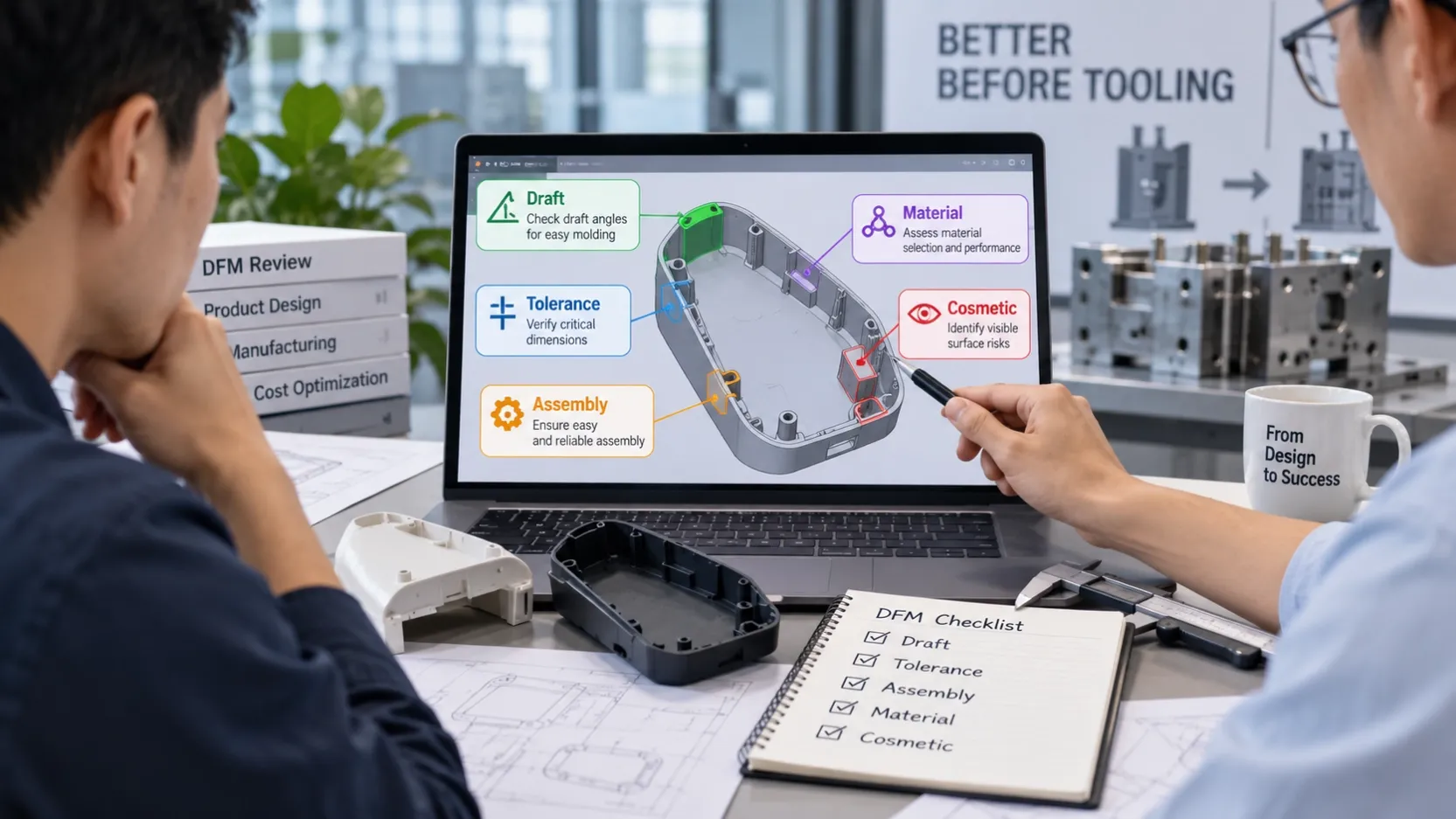
- prototypes work, but the design is difficult or expensive to mass-produce;
- responsibility for bugs, testing and design changes is unclear;
- the buyer's engineering team has limited time to coordinate China-based suppliers.
How Reality Sourcing helps bridge the gap
We begin by clarifying the use case, required functions, target user, selling market, price position, expected volume and timeline. Our product-development capabilities cover both direct sourcing and coordinated ODM execution. We then identify the right combination of solution company, PCBA partner, mechanical supplier and final manufacturer.
Depending on the project, our support can include:
- Converting the idea into a functional requirement list.
- Reviewing available platforms before committing to custom development.
- Finding engineering or solution partners for electronics and firmware.
- Coordinating PCBA design, component selection and prototypes.
- Aligning enclosure, tooling, assembly and test requirements.
- Tracking samples, design changes and unresolved issues.
- Supporting validation, pilot production and mass-production handover.
- Following quality control and shipment after the design is approved.
We can also work with a customer's existing engineers. When the overseas team has limited bandwidth, our local team and external solution partners can investigate options, communicate with factories and move decisions forward.
Build for production, not only for the prototype
Every development decision affects cost, MOQ, reliability and lead time. A component selected for a prototype may be unavailable at scale. A beautiful enclosure may be difficult to assemble. A function may require additional certification in the target market.
Before tooling and mass production, the project should define the approved BOM, firmware, drawings, test plan, packaging and change-control process. Pilot production should be used to verify assembly and test procedures, not only product appearance.
What to include in your project brief
Share as much of the following as possible:
- product concept, drawings, reference products or prototype;
- required and optional functions;
- target users and sales countries;
- target cost and estimated volume;
- size, material and appearance requirements;
- wireless, battery, app or cloud requirements;
- certification and launch deadline;
- existing design files and current technical problems.
If you need a China-based team to coordinate engineering and manufacturing, send Reality Sourcing your product idea. We can review feasibility, identify the missing capabilities and propose the next development stage.