Sep 15, 2026
How to Coordinate Multiple Suppliers in China
Use one specification, shared milestones, incoming checks and consolidation controls to manage components or products from multiple Chinese suppliers.
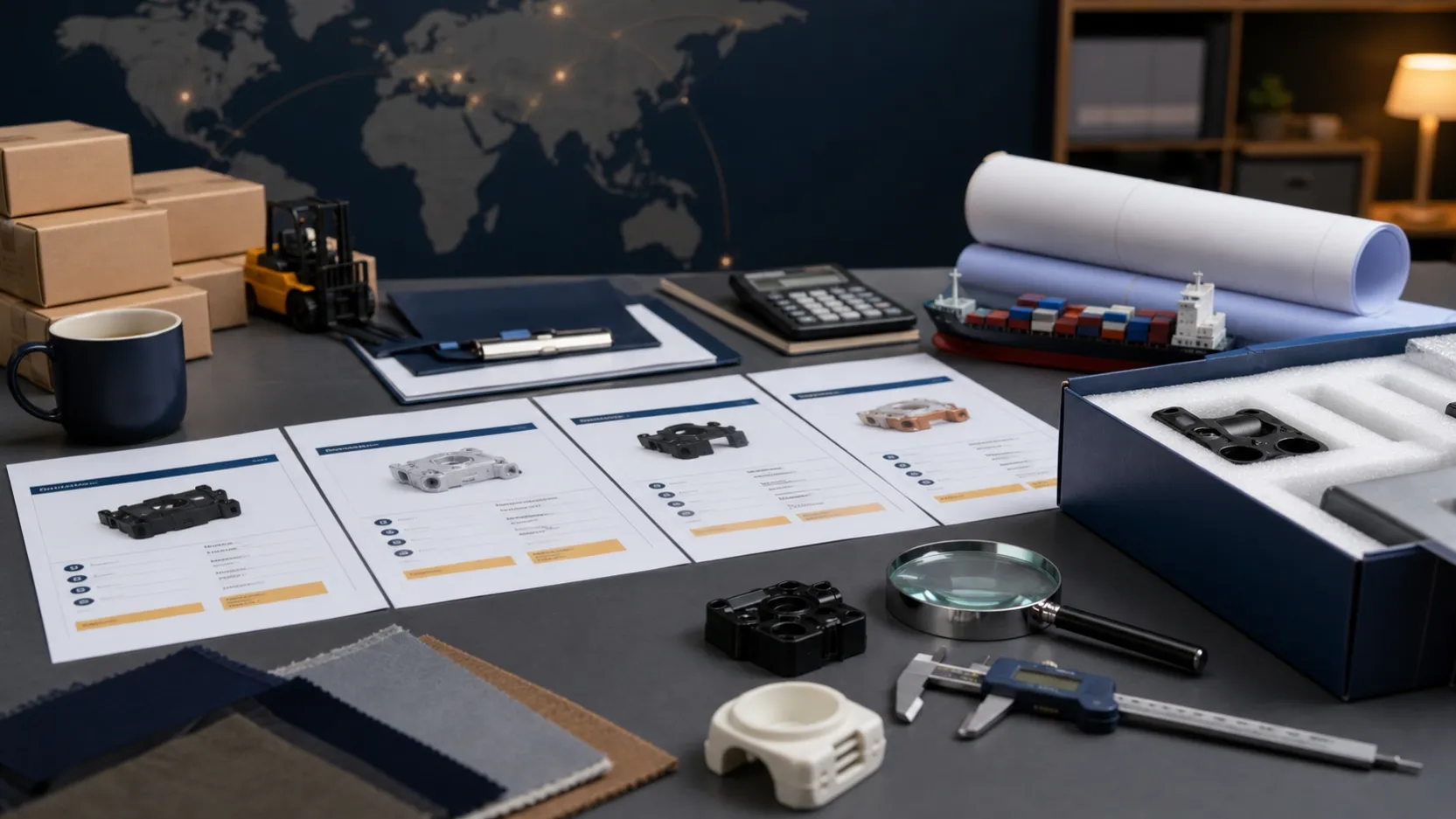
Managing multiple suppliers in China requires one controlled specification, clear ownership of interfaces and a shared production and consolidation schedule.
Where multi-supplier projects fail
The problem is rarely just collecting boxes from several factories. Components may not fit together, colors may differ, one supplier may change a dimension without informing the others, or packaging may arrive after the assembly window has closed.
For mixed-product orders, the risks are different: late goods can delay an entire container, carton markings may be inconsistent and nobody may know the final packing list until loading day.
Create one control plan
A central project plan should show:
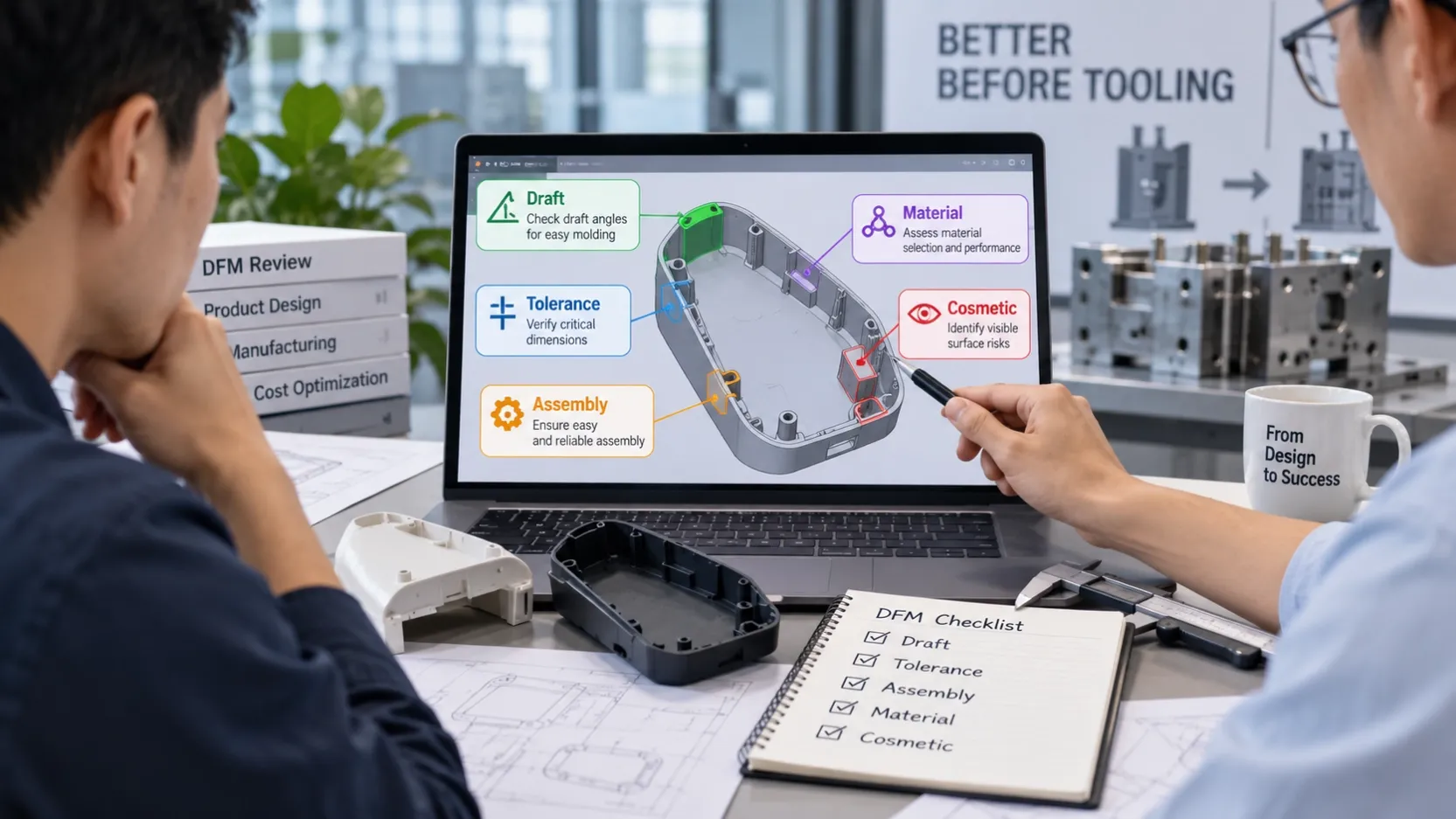
- approved specification and revision for each supplier;
- interface dimensions and responsibility boundaries;
- sample and production milestones;
- incoming inspection requirements;
- packaging, labels and carton marks;
- delivery address and consolidation cutoff;
- final packing list and shipment documents;
- owner for each open issue.
If one supplier provides parts to another assembler, define who checks incoming quality and how rejected material is replaced. The final assembler should not silently rework or substitute another supplier's component without approval.
Reality Sourcing's coordination role
We can act as one local project contact across the suppliers. We follow sample approvals, compare schedules and make sure changes are communicated to the affected parties. For technical projects, we coordinate solution companies, component suppliers, enclosure factories and assembly partners around the same revision.
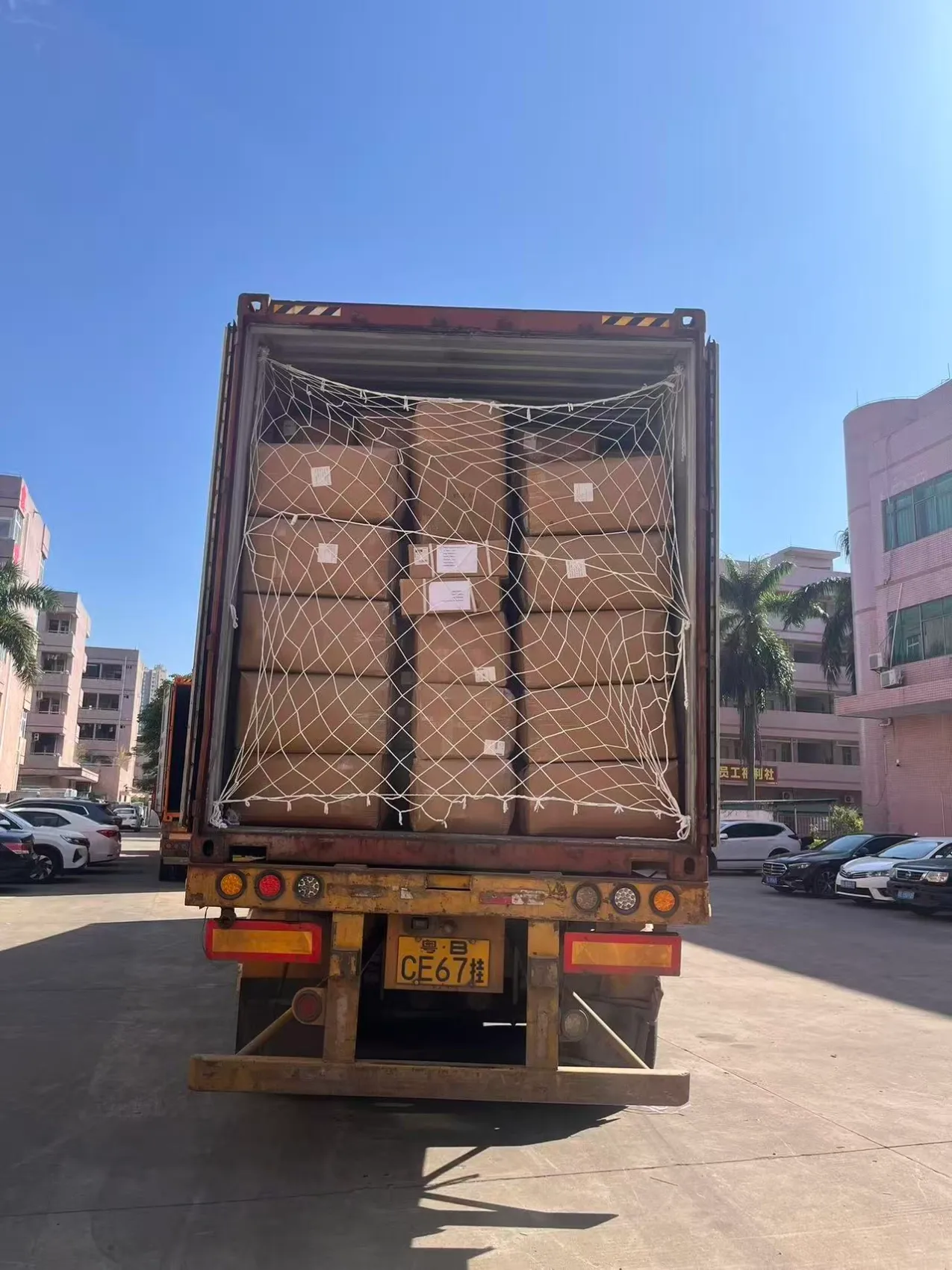
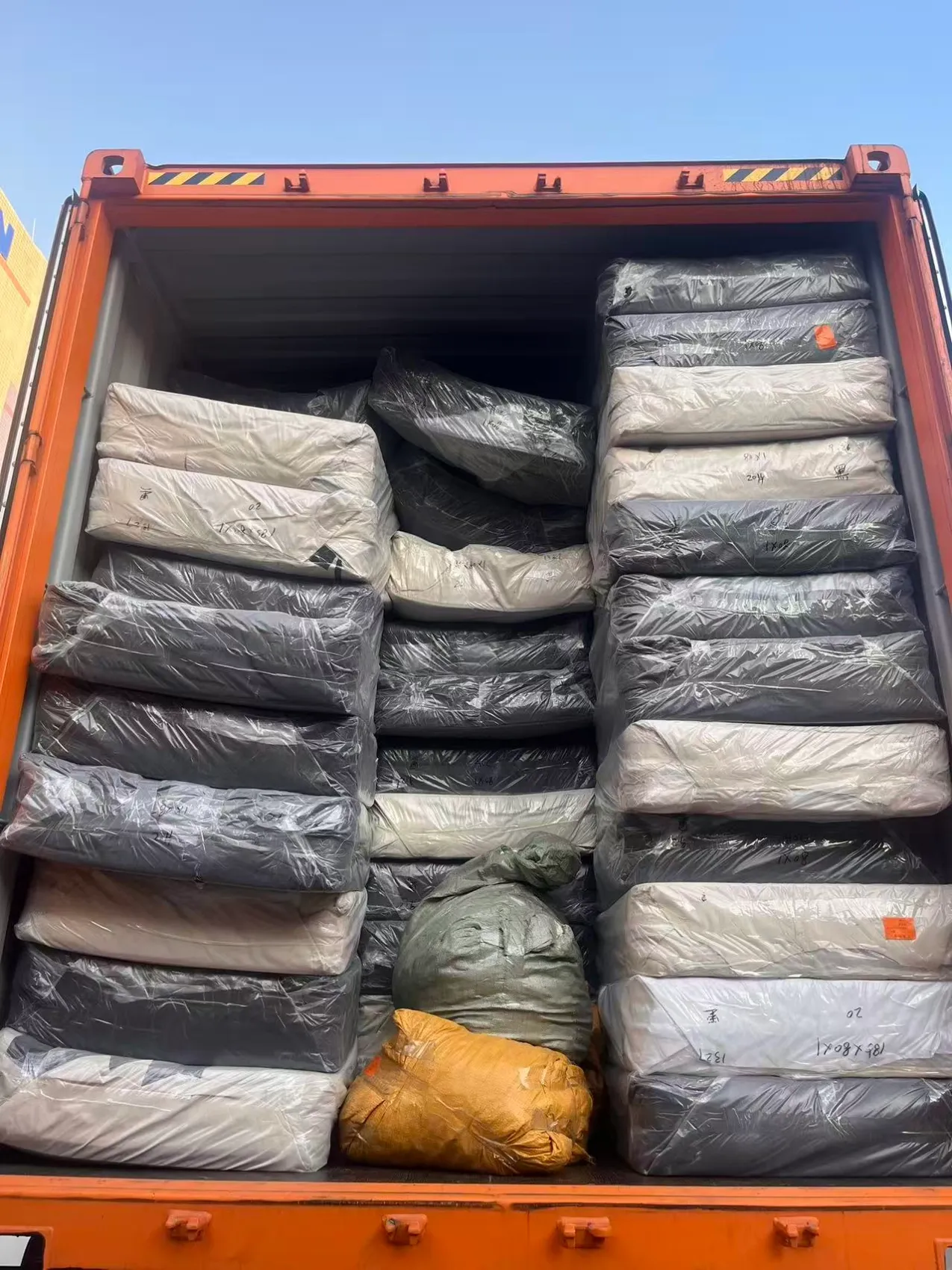
Before consolidation, we confirm quantities, carton dimensions, weights, markings and readiness. Goods can be inspected before they leave each factory or checked at a consolidation point depending on risk and logistics. We also coordinate packing lists and loading arrangements so the buyer can see what is included.
Consolidation does not remove supplier accountability. Defects should still be traced to the responsible factory, and the buyer should understand added handling, storage and transport costs before choosing the model.
What we need to plan the project
Send:
- supplier list and product/component responsibilities;
- specifications and approved samples;
- quantities and required completion dates;
- final assembly or consolidation location;
- destination and shipping method;
- inspection and packaging requirements.
We will map dependencies, identify schedule conflicts and recommend a practical control sequence. Send your multi-supplier project plan for an initial review.