Aug 25, 2026
How to Control Product Quality When Sourcing from China
Build a practical quality plan for samples, specifications, production, inspection, defects and shipment when sourcing from China.
A good sample does not automatically guarantee a good shipment. One of the biggest concerns for overseas buyers is receiving mass-produced goods that differ from the approved sample in appearance, performance, materials or packaging.
Quality problems usually begin before the final inspection. They often come from unclear specifications, unapproved substitutions, incomplete testing or a production process that was never confirmed.
Common quality pain points
Buyers frequently encounter:
- sample quality that is better than mass production;
- color, finish or dimensions changing between batches;
- cheaper components used without approval;
- functional defects that visual inspection cannot detect;
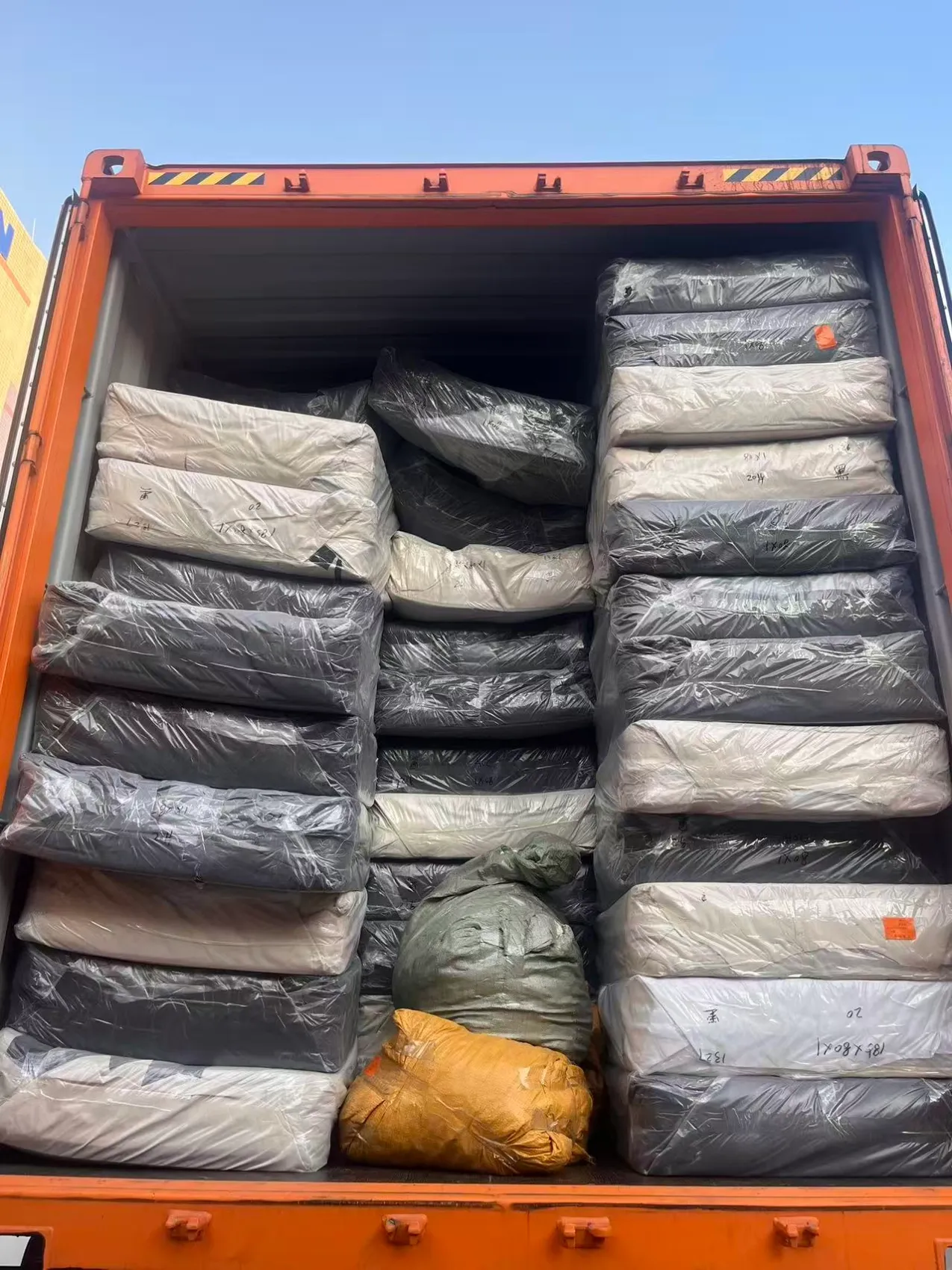
- weak packaging and transport damage;
- suppliers repairing problems without documenting the cause;
- an inspection performed too late to recover the delivery schedule.
Build quality into the project
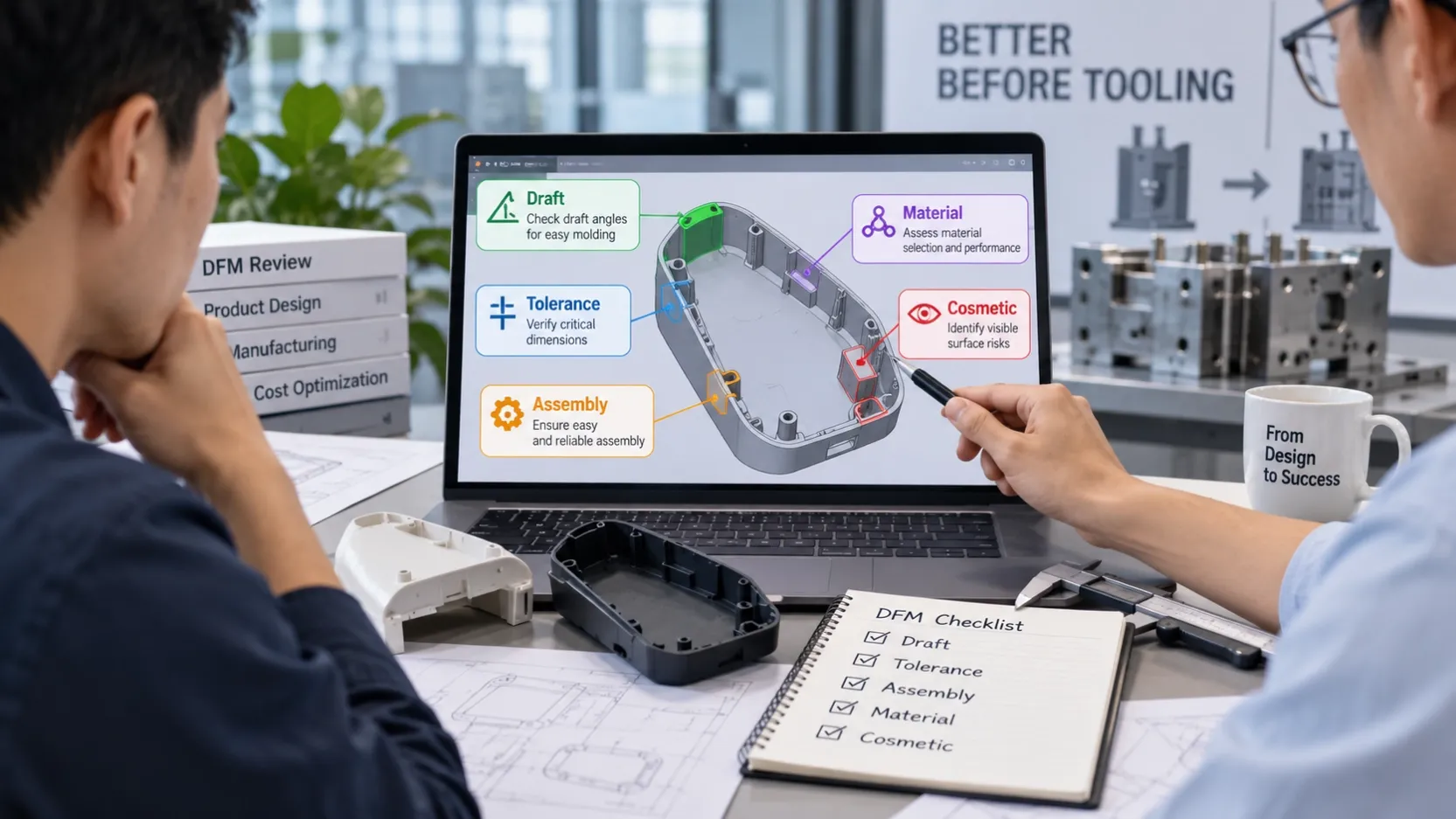
The first control is a clear product specification. It should state what is acceptable, how it will be measured and which sample or drawing is the reference.
An approved golden sample should be kept by both the buyer and supplier. For electronic products, the controlled configuration may also include the PCB revision, firmware version, key component list, battery, adapter and test procedure.
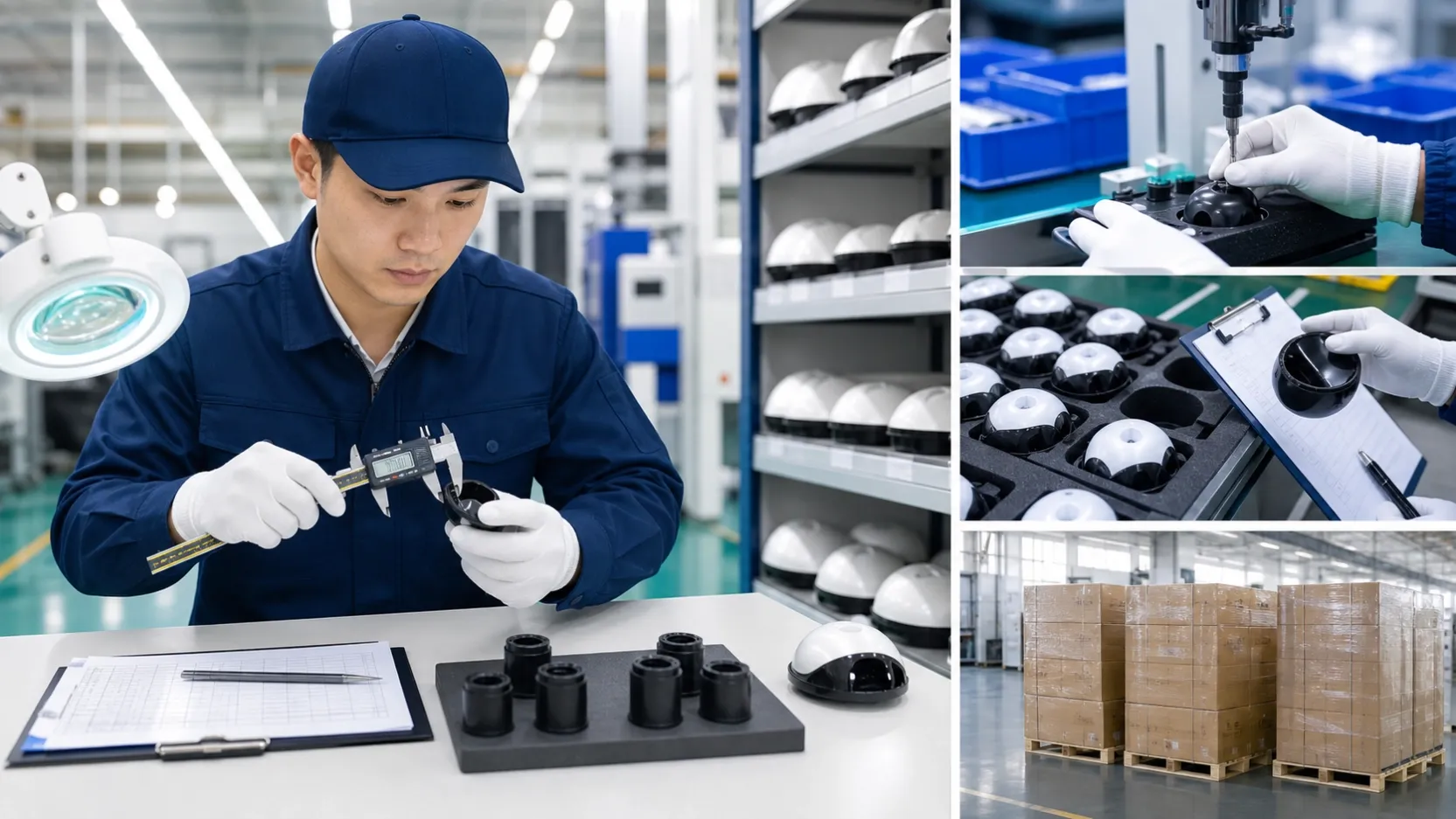
Inspection criteria should be agreed before production. They may cover workmanship, dimensions, function, safety, labeling, accessories, packaging and quantity. Market-specific compliance should be reviewed separately from ordinary product inspection.
How Reality Sourcing supports quality control
Our role can start before an order is placed and continue until shipment. See our sourcing and production-support capabilities for the wider workflow:
- Clarify specifications and critical-to-quality requirements.
- Review samples and record approved materials, components and finishes.
- Confirm the supplier's production and testing process.
- Monitor key milestones and resolve questions during production.
- Arrange inspection against an agreed checklist.
- Report defects with photos, quantities and severity.
- Follow corrective action, rework and reinspection when required.
- Confirm packaging and loading before shipment.
For products with functional or engineering risk, we can involve technical personnel to review the issue with the factory instead of treating every defect as a cosmetic inspection problem.
Inspection is not the same for every product
A textile item, kitchen appliance, Bluetooth product and industrial component need different tests. The inspection plan should follow the product's real failure modes.
For example, an electronic product may require charging, battery-runtime, port, wireless, button, display and burn-in tests. A molded product may require dimension, color, surface, fit and drop checks. Packaging may need barcode, carton, assortment and transport protection verification.
What to prepare
To create a project-specific quality plan, provide:
- approved sample, drawings or detailed specification;
- order quantity and packing list;
- destination market and compliance requirements;
- known failure risks or customer complaints;
- acceptable defect criteria;
- production and shipment schedule.
Quality control is most effective when it begins with supplier selection and product definition. Send us your product and quality requirements to build a sourcing, production and inspection plan for your next order.