Sep 14, 2026
How to Prevent Packaging Damage in International Shipping
Reduce export damage by defining packaging structure, carton limits, handling tests, loading controls and inspection criteria before goods leave China.
Preventing shipping damage starts with packaging designed for the actual product, distribution route, stacking load and handling method—not with adding more tape at the warehouse.
Why acceptable factory packaging can fail in transit
A carton may look fine when it leaves the production line but later face vibration, drops, humidity, compression and repeated handling. Ecommerce parcels may travel individually after bulk import, while wholesale products may remain palletized. The same packaging specification does not suit every route.
Damage can also come from movement inside the box, weak internal supports, sharp product edges, excessive carton weight or empty space inside a container. Cosmetic retail packaging may need a separate protective shipper.
Define packaging requirements early
The packaging brief should cover:
- product orientation and vulnerable areas;
- inner support material and fit;
- retail box and master-carton structure;
- units per carton and maximum weight;
- moisture protection where relevant;
- carton marks, labels and barcodes;
- pallet or floor-loading requirements;
- handling or drop-test expectations;
- acceptable cosmetic condition on arrival.
Prototype packaging should be tested with the real product, accessories and final weight. If the enclosure, accessories or carton count changes, the test basis should be reviewed.
How Reality Sourcing helps
We coordinate the product supplier and packaging supplier so dimensions, materials and print files match the approved product. Before mass production, we can review packaging samples and record the approved packing method.
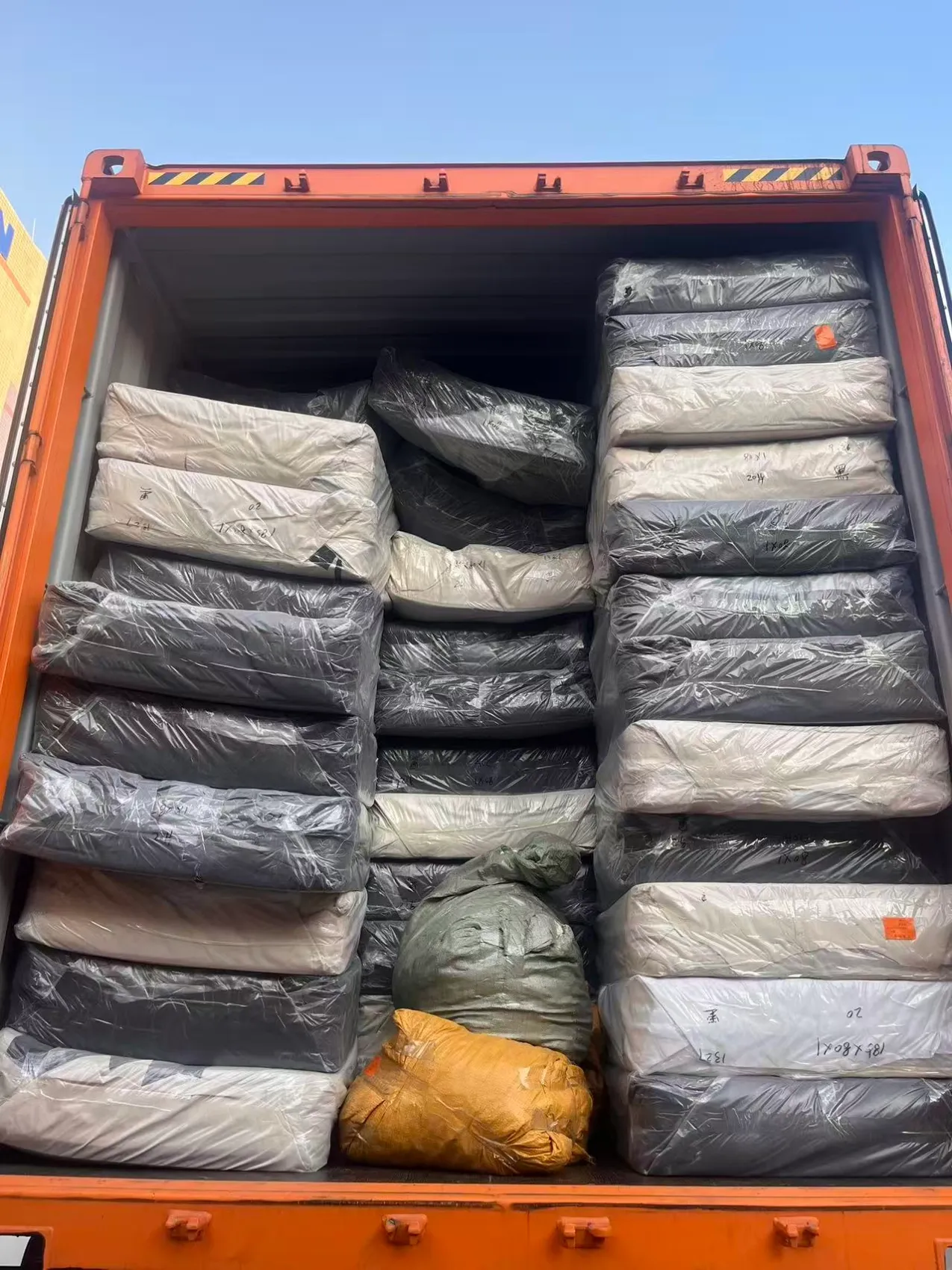
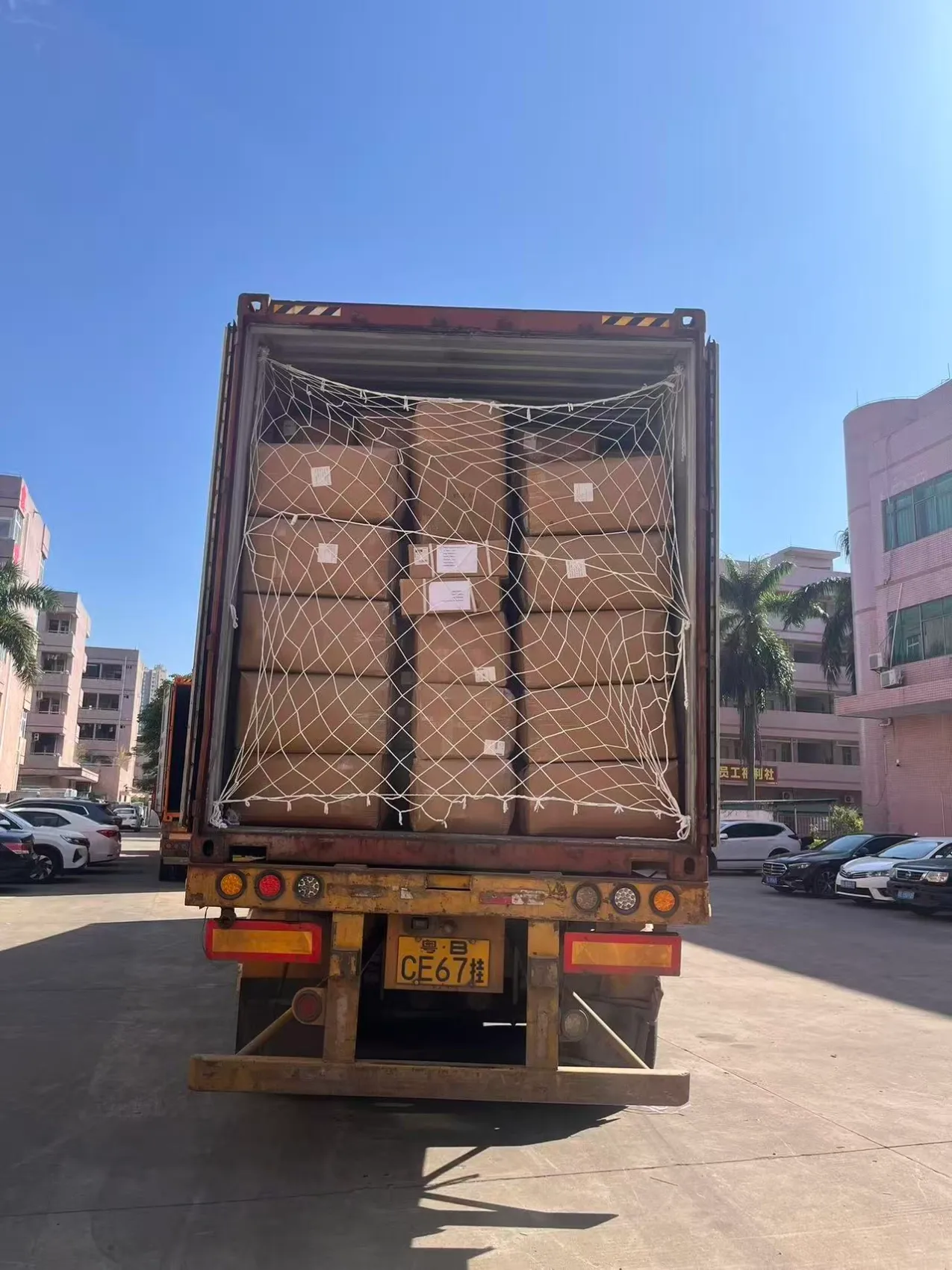
During inspection, checks can include carton dimensions, gross weight, quantity, labels, internal arrangement and visible packaging condition. Selected cartons may be opened to confirm the packing method. When loading, we can coordinate carton counts and photograph the container condition and loading sequence.
Packaging decisions involve tradeoffs. Stronger materials and more volume can reduce damage but increase cost and freight. We help compare the commercial impact rather than automatically specifying the heaviest option.
What to send for a packaging review
Share:
- product dimensions, weight and photographs;
- retail and wholesale sales channels;
- shipping method and destination;
- current packaging drawings or samples;
- previous damage reports;
- carton-size or fulfillment restrictions.
We can identify likely failure points and coordinate a practical packaging trial. Send your product and shipping route for an initial packaging-risk review.