Product Sourcing
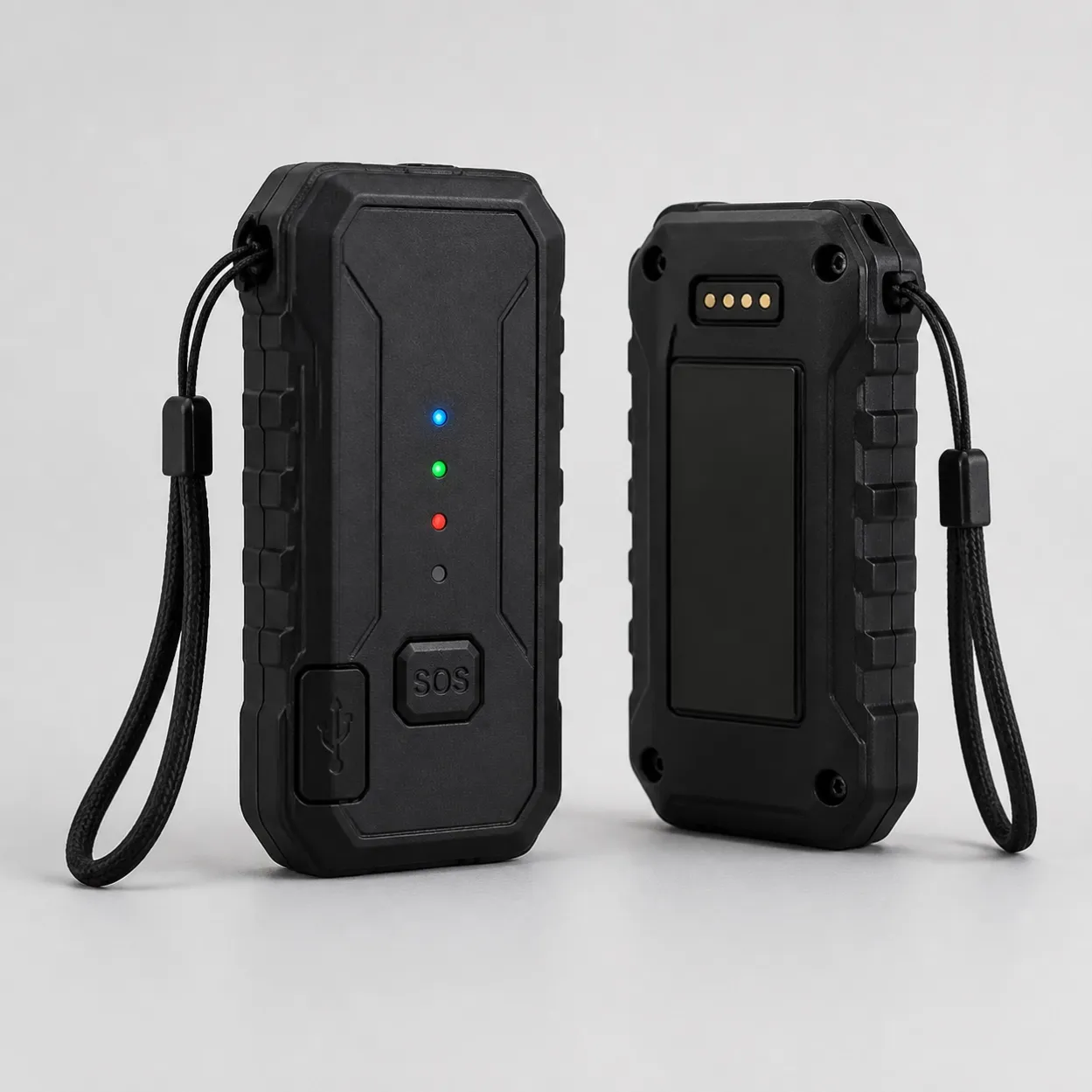
4G GPS Asset Tracker for OEM Sourcing
Compare 4G GPS tracker bands, battery, positioning, platform, API, privacy, compliance and OEM options before sourcing from China.
Connected location products continue to attract users: Life360 reported 97.8 million monthly active users for Q1 2026, up 17% year over year. That does not prove demand for every tracker design, but it supports continued interest in family, asset and safety use cases. A viable OEM program must combine hardware, radio coverage, SIM economics, cloud uptime, applications and privacy controls.
Recommended sourcing specification
Parameter | Practical target |
|---|---|
Positioning | Multi-constellation GNSS plus Wi-Fi/BLE/LBS fallback |
Network | 4G LTE Cat 1 bis or LTE-M/NB-IoT selected for destination coverage |
Battery | Runtime stated by update interval, signal condition and temperature |
Protection | IP67 option with exact ingress test evidence |
Alerts | Geofence, motion, tamper, low-battery and configurable reporting |
Platform | Web, iOS/Android, API, role control and exportable history |
Security | Signed firmware, encrypted transport and credential-management process |
Why validation must cover the whole system
A large battery-capacity number is not a runtime guarantee. Test in strong and weak signal conditions, at the intended reporting interval, with motion events and the production SIM. Measure GNSS cold start, accuracy in open sky and urban conditions, sleep current, reconnection, charging temperature and alert latency.
Run a server and API review before approving hardware. Define data ownership, retention, export, account deletion, user roles, firmware-update responsibility, uptime support and what happens if the original platform provider closes. Validate every destination LTE band and roaming plan rather than relying on “global 4G” wording.
Price and configuration ladder
- Entry: periodic-location beacon with basic application and fixed subscription model.
- Mid-tier: motion detection, geofencing, IP67 enclosure, better GNSS and configurable reporting.
- Premium: multi-network connectivity, richer sensors, replaceable or larger battery, fleet dashboard, open API and customer-owned cloud option.
OEM and ODM options
OEM can include enclosure color, logo, mounting kit, SIM bundle, packaging and branded application skin. ODM projects can change antennas, battery, charging, sensors, tamper inputs, firmware logic, protocol, API and cloud deployment. Platform source access and future maintenance cost should be decided before tooling.
Compliance, privacy and commercial risks
Confirm FCC or CE/RED, EMC, RoHS and destination radio approvals for the final modem and antenna. PTCRB or carrier certification may be required depending on market and network. Batteries need UN38.3 transport documentation. Privacy notices, consent, retention and lawful-use controls must match the use case and destination law.
Key risks are incompatible LTE bands, unrealistic battery claims, weak indoor positioning, hidden SIM fees, vendor-locked APIs, insecure default credentials, poor firmware support and subscription economics that erase the hardware margin.
RFQ checklist
- Asset, user workflow, countries and expected deployment volume
- LTE technology, bands, SIM/roaming plan and monthly data assumption
- Reporting interval, runtime target and temperature range
- GNSS/Wi-Fi/BLE/LBS behavior and alert latency
- IP rating, mounting, tamper and charging method
- App branding, API, cloud location, data ownership and support term
- Certifications, pilot plan, warranty and replacement process
Reality Sourcing can compare hardware and platform providers, test real network/runtime performance and structure a pilot before mass production. Review our development capabilities or send your tracking brief.