Product Sourcing
Smart Health Ring for OEM Sourcing
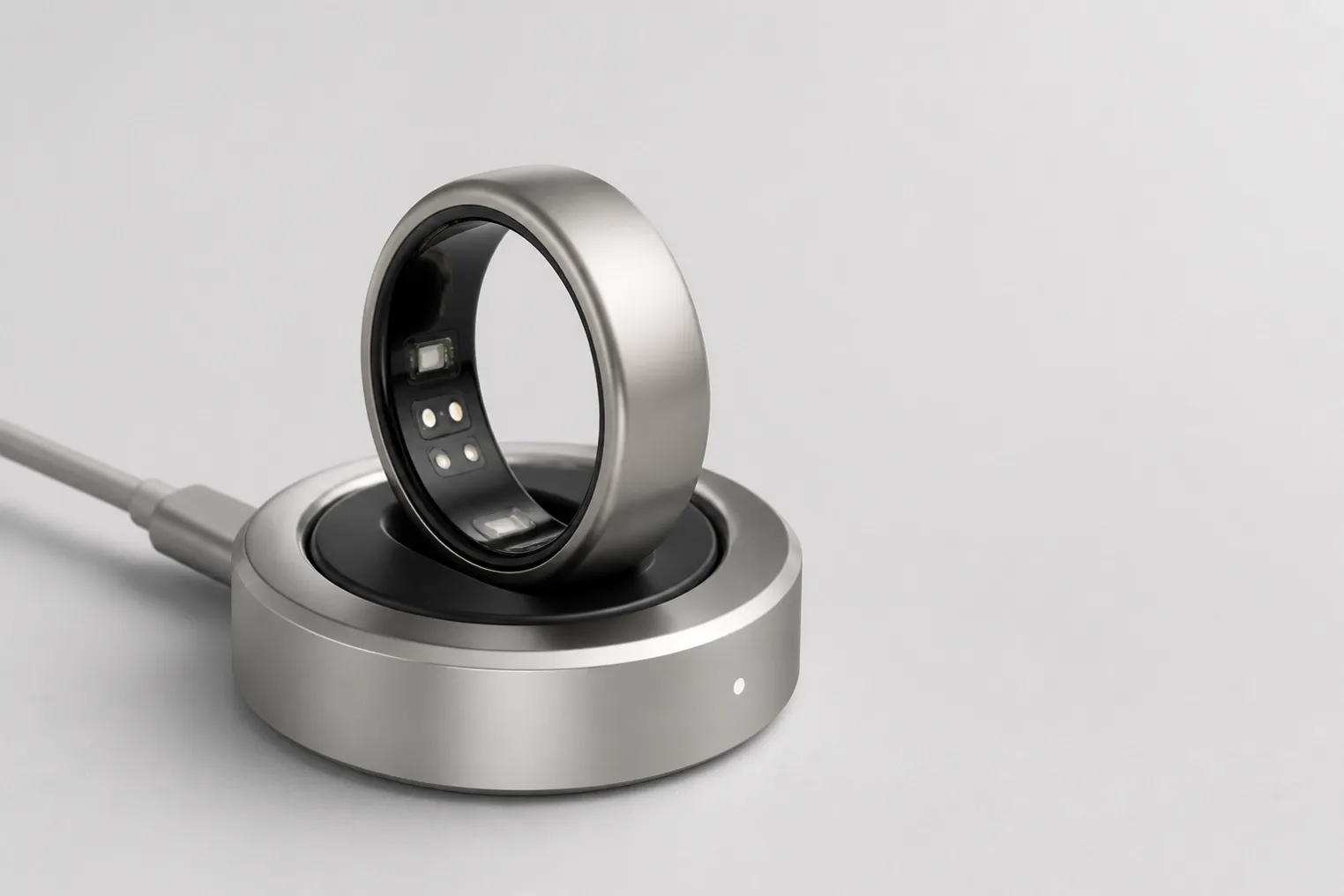
Smart health rings offer a compact alternative to watches for wellness brands, fitness apps, ecommerce sellers and gift distributors. They can track signals such as heart rate, sleep and temperature, but a successful product depends on fit, algorithm quality and continuing app support - not only the ring finish.

Smart health rings offer a compact alternative to watches for wellness brands, fitness apps, ecommerce sellers and gift distributors. They can track signals such as heart rate, sleep and temperature, but a successful product depends on fit, algorithm quality and continuing app support - not only the ring finish.
Why we recommend it now
Current smart-ring listings emphasize sleep and heart-rate monitoring, water resistance and no-subscription use. A 2026 Hong Kong filing citing Frost & Sullivan projects global smart-wearable shipments rising from 532.1 million in 2025 to 549.6 million in 2026. That forecast covers the much broader wearables category and does not establish smart-ring demand. It is included only as context; ring-specific demand, accuracy and channel economics still require validation.
Recommended sourcing specification
Parameter | Practical target |
|---|---|
Sensors | Multi-channel PPG; optional temperature and SpO2 |
Metrics | Heart-rate trends, activity and sleep estimates |
Materials | Stainless steel for value; titanium/ceramic for premium |
Sizes | Defined size set with a reusable sizing kit |
Battery | 5-7 day target under declared settings |
Water resistance | Test method and depth/time evidence, not a logo alone |
App | iOS/Android, export policy and defined update term |
Integration | SDK/API option for differentiated ODM programs |
Test multiple sizes across different users. Review raw sensor stability, charging consistency, synchronization, battery life and ring temperature rather than accepting dashboard screenshots.
For sample validation, compare resting and walking heart-rate readings against a defined reference device across a representative user group and report mean error, missing-data rate and outliers. Define the threshold before testing. For battery, state enabled sensors, sync frequency, temperature and notification settings. If 5ATM or another water claim is used, require the named standard or lab method, sample quantity, depth/time conditions and full function checks after testing.
OEM and ODM options
OEM choices include finish, engraving, packaging, charging case and sizing kit. ODM work can include sensor layout, antenna, firmware, algorithms, branded app, dashboards and data integration. Cosmetic OEM is straightforward; defensible differentiation requires access to the firmware, algorithm roadmap and data platform.
Main sourcing and compliance checks
For a US wellness product, claims such as activity trends or general sleep insights are lower risk than claims to diagnose disease, detect clinical conditions or guide treatment; every label, app screen and advertisement needs one controlled claim list and regulatory review. Document consent, hosting region, retention, encryption, subprocessors, account deletion, breach response, data export and security-update ownership. Depending on configuration and market, request the relevant FCC, CE/RED, RoHS and battery-transport evidence. Verify water-resistance testing, material declarations and the supplier's return analysis for sizing and charging failures.
The sizing kit and finished rings should use the same internal geometry. Define internal diameter and width tolerances, validate kit-to-product equivalence, and agree an exchange policy. Quotations should separate unit-price breaks, NRE, app/cloud fees, algorithm licensing, MOQ, support term, developer accounts, signing keys, backend portability and end-of-life handoff.
How Reality Sourcing documents inspection findings

This excerpt is from another electronics project and demonstrates our reporting format only; it is not a smart-ring validation report. A ring order receives its own model and firmware identity, sample size, sizing checks, battery records, synchronization tests, agreed reference comparison, photos and defect disposition.
What to include in your RFQ
- Target market, user segment and permitted product claims
- Ring sizes, materials, finishes and sizing-kit design
- Sensors, metrics, validation evidence and battery target
- App ownership, data hosting, SDK/API and update term
- Waterproof test, certification, warranty and return policy
- Sample plan, order quantity, forecast and launch date
Reality Sourcing can compare sensor platforms, coordinate sample validation, check evidence and manage production quality. Send your wearable brief, review our product-development support, or browse more sourcing resources.
Sources checked 10 August 2026: TikTok Shop smart-ring category and the HKEX filing citing Frost & Sullivan.