Sep 13, 2026
How to Keep Mass Production Consistent With Approved Samples
Use a controlled golden sample, written specifications and staged inspections to prevent mass-production quality from drifting after approval.
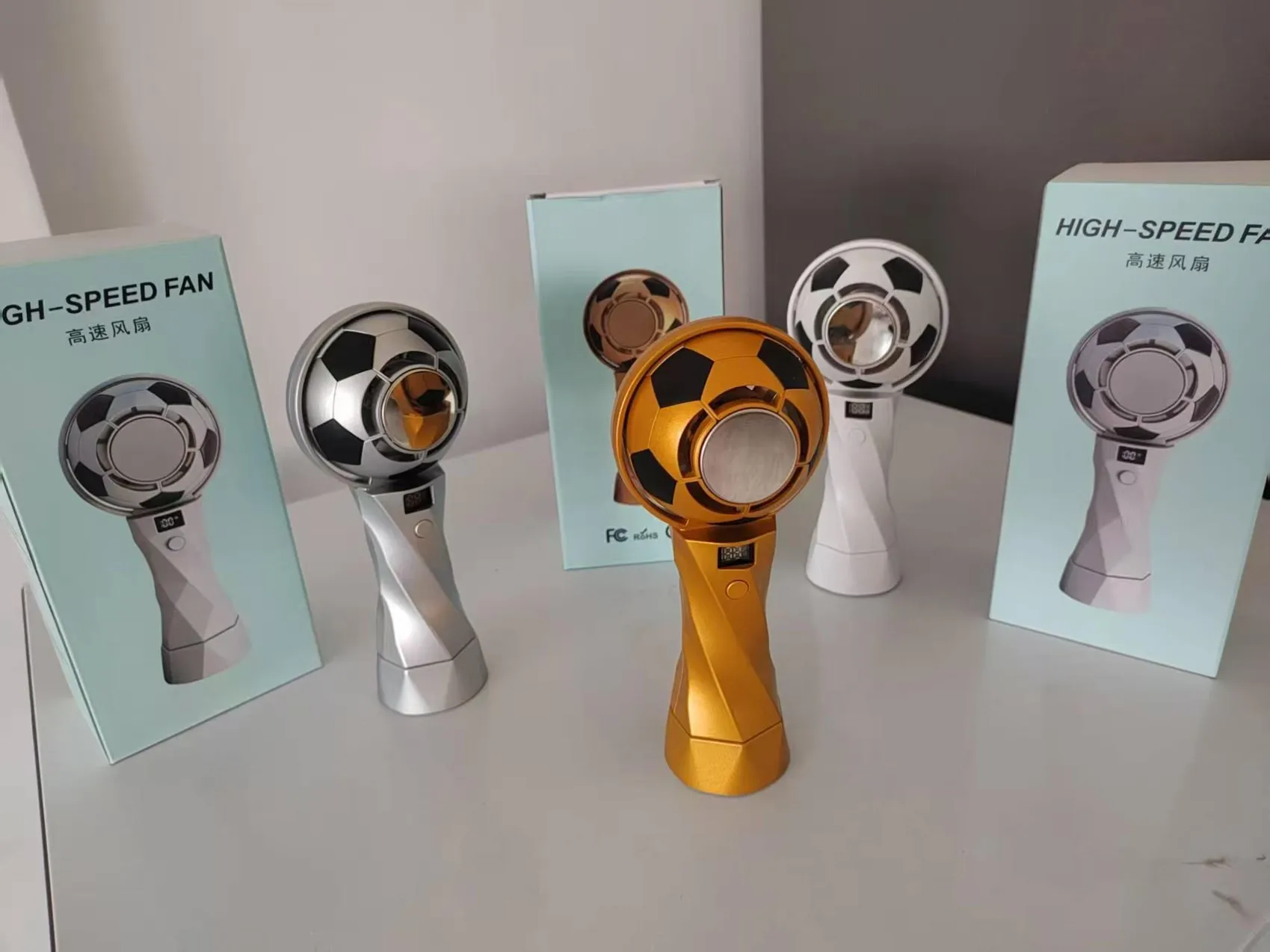
Mass production matches an approved sample only when the sample is converted into measurable specifications, controlled components and inspection checkpoints.
Why a good sample can still lead to a bad order
A supplier may make the first sample with extra attention, selected components or manual finishing. Later, production may move to another line, use an alternative material or rely on workers who never saw the approved unit.
The phrase “same as sample” is too vague when appearance, performance and packaging all matter. Even the approved sample can be unclear if the buyer has several revisions and nobody records which version is final.
Build a golden-sample control package
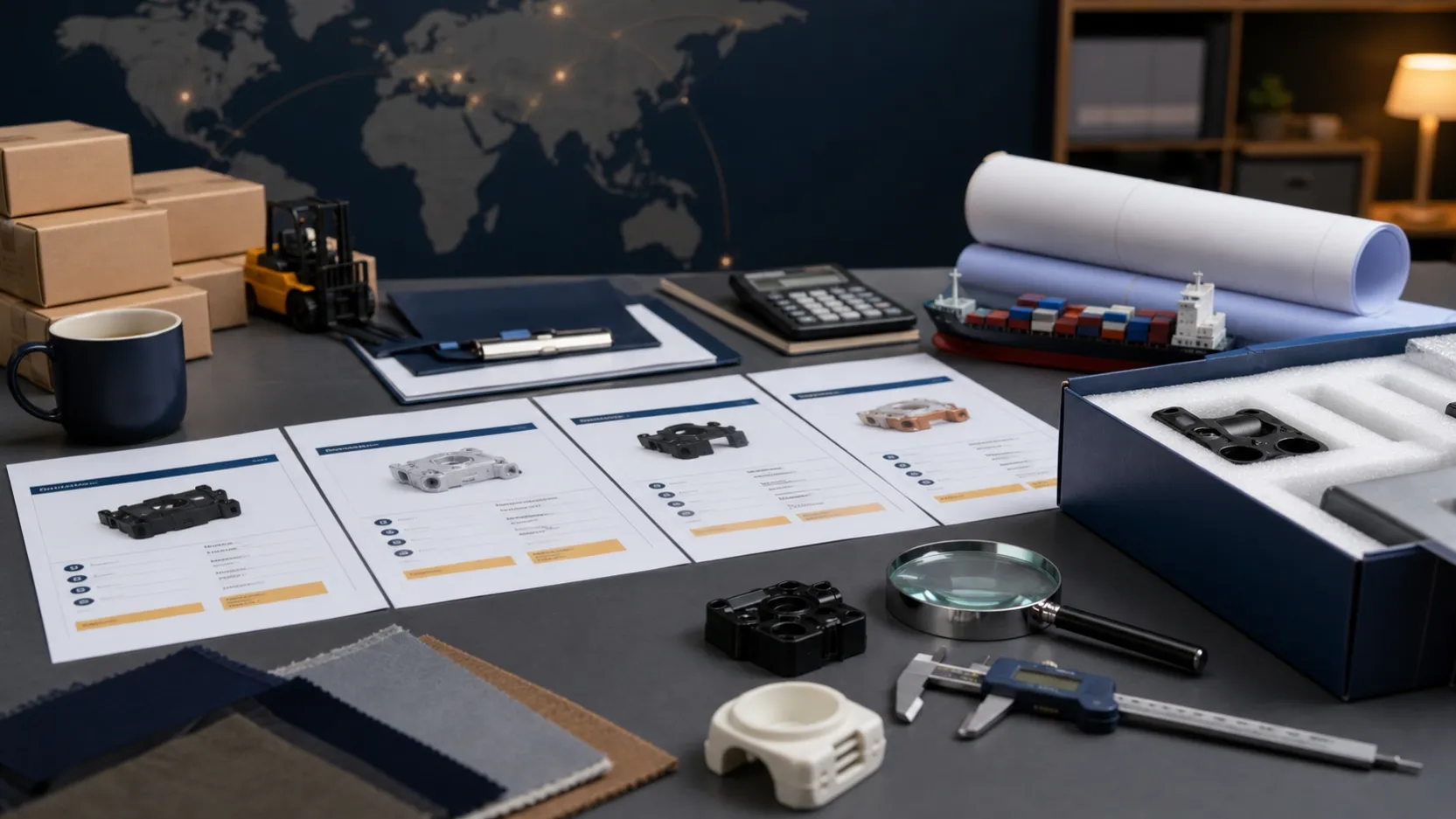
We recommend locking more than one physical unit. The control package should include:
- dated photographs and revision number;
- dimensions, weight, color reference and surface finish;
- approved key components and firmware version;
- performance limits and test method;
- label, accessories and packaging layout;
- known cosmetic acceptance criteria;
- signed change-control rules.
One sample can remain with the buyer and another with the factory. When practical, a third reference stays with the sourcing or inspection team.
Control the transition into production
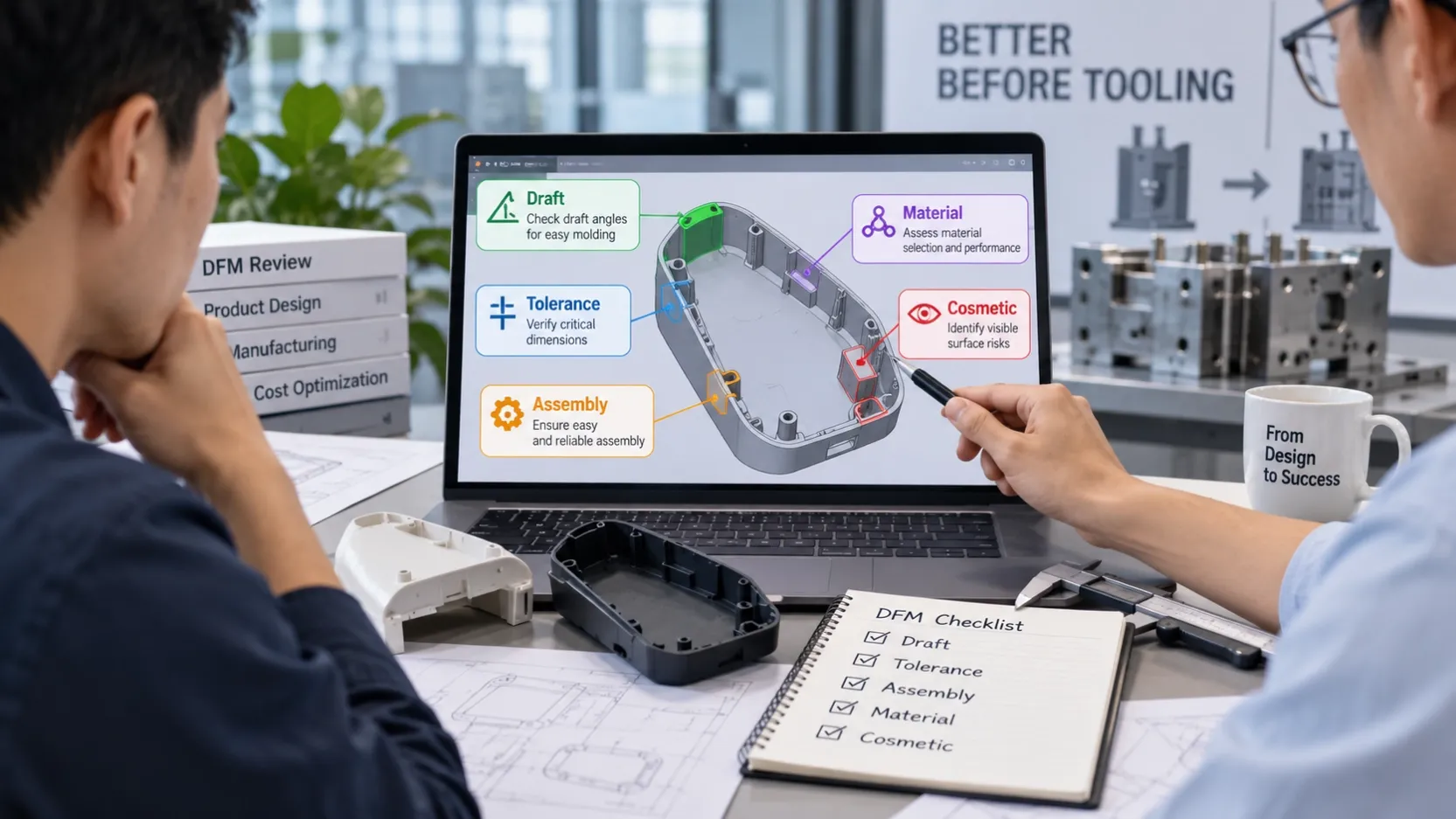
Reality Sourcing can coordinate a pre-production review before the line starts. We check whether the bill of materials, tooling, work instructions and packaging files correspond to the approved revision. For products with technical risk, we can arrange a small pilot build and inspect first-off units before the full order proceeds.
During production, the inspection plan should focus on the features most likely to drift. Cosmetic checks alone are not enough for electronics or appliances. Functional tests, charging behavior, battery performance, noise, fit, dimensions or safety-critical assembly may need defined sampling or full inspection depending on the product.
Any proposed substitution should be documented before use. The supplier should explain the reason, specification difference, compliance impact and affected quantity. The buyer then approves or rejects the change.
Information we need
To build a production-control plan, send:
- the approved sample or complete media record;
- drawings and specification sheet;
- critical-to-quality features;
- target market and compliance requirements;
- expected quantity and shipment schedule;
- previous defects or customer complaints.
We can help translate those materials into supplier instructions, checkpoints and an inspection brief. Share your approved sample and production requirements to plan the control process before mass production begins.