Sep 12, 2026
How to Prevent Communication Gaps With Chinese Factories
Prevent sourcing mistakes by converting chats into controlled specifications, decision logs, samples and milestone updates with Chinese factories.
Clear factory communication comes from controlled specifications, visual references, named decision owners and written confirmation—not from sending more chat messages.
Why both sides can believe they agreed
A buyer may describe the desired result while the supplier answers according to the closest standard product. Words such as “high quality,” “waterproof,” “premium” or “same as sample” can mean different things to different teams.
Information also gets lost when sales, engineering, purchasing and production use separate chat groups. The person promising a change may not control the drawing, BOM or work instruction used on the line.
Convert conversations into controlled inputs
Use:
- one current specification with a revision number;
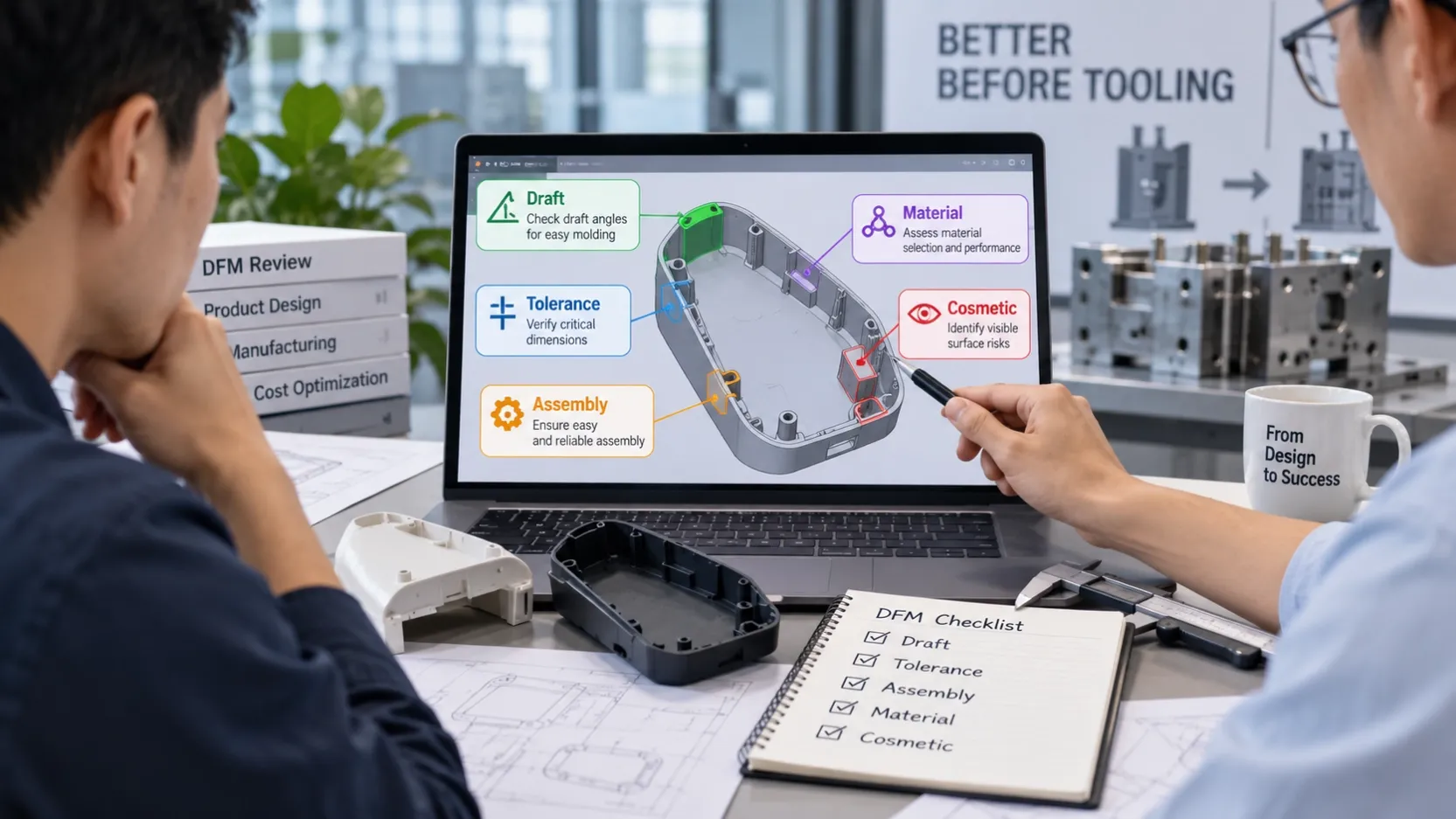
- annotated photographs or drawings;
- a decision log showing request, answer, owner and date;
- approved samples linked to the same revision;
- milestone reports with required evidence;
- a formal change request for cost, schedule or design changes.
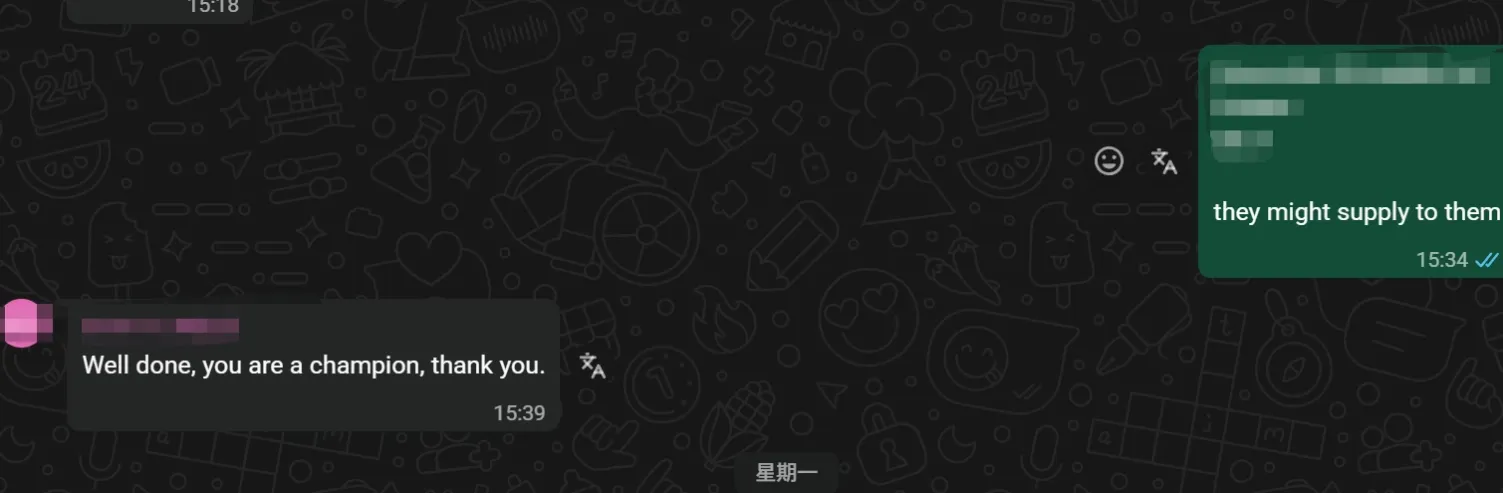
After a call, summarize the decisions and unresolved points. Ask the supplier to confirm the summary, not simply reply “OK.” For technical issues, include the engineer or solution provider who owns the design.
How Reality Sourcing bridges the gap
Our local project team can communicate with the supplier in Chinese, but translation is only part of the job. We first clarify the buyer's intended outcome, identify measurable requirements and make sure the responsible factory team receives them.
We follow open issues, request evidence and escalate contradictions between sales promises and production reality. When a function needs development, we coordinate the buyer's engineers with a suitable solution company, PCBA partner, tooling factory or final assembler.
For urgent problems, local access makes it easier to check the factory, sample or production status instead of relying only on forwarded messages. We still document the result so the buyer can make the decision.
What to send us
Provide:
- product brief and current specification;
- supplier quotations and key conversations;
- approved and rejected sample details;
- unresolved technical or quality issues;
- target timing and responsible contacts;
- destination-market requirements.
We can turn scattered information into a controlled action list and coordinate the next supplier response. Send your current project documents for an initial communication-gap review.
Technical communication becomes especially important when turning a product idea into manufacturing.