Sep 6, 2026
How to Protect Mold and Tooling Ownership in China
Define ownership, storage, maintenance, access and transfer terms before paying for molds or tooling used by a Chinese manufacturer.
Protecting mold and tooling ownership starts before payment: the buyer should define who owns the asset, where it will be stored, who may use it and how it can be transferred.
Why tooling disputes happen
A quotation may include a “mold fee” without explaining whether the payment covers full ownership, partial development cost or only the right to use factory-owned tooling. Later, the buyer may discover that the mold cannot be moved, has been shared with other customers or requires another payment to release.
Operational details matter as much as the agreement. A buyer may legally own a mold but still lack drawings, maintenance records, identification photographs or confirmation that the physical tool is complete and usable elsewhere.
Define the tooling package
Before approval, document:
- tooling description, cavities, material and expected life;
- price and payment milestones;
- ownership after each payment stage;
- product and design files included;
- storage location and identification number;
- permitted users and confidentiality restrictions;
- maintenance and repair responsibility;
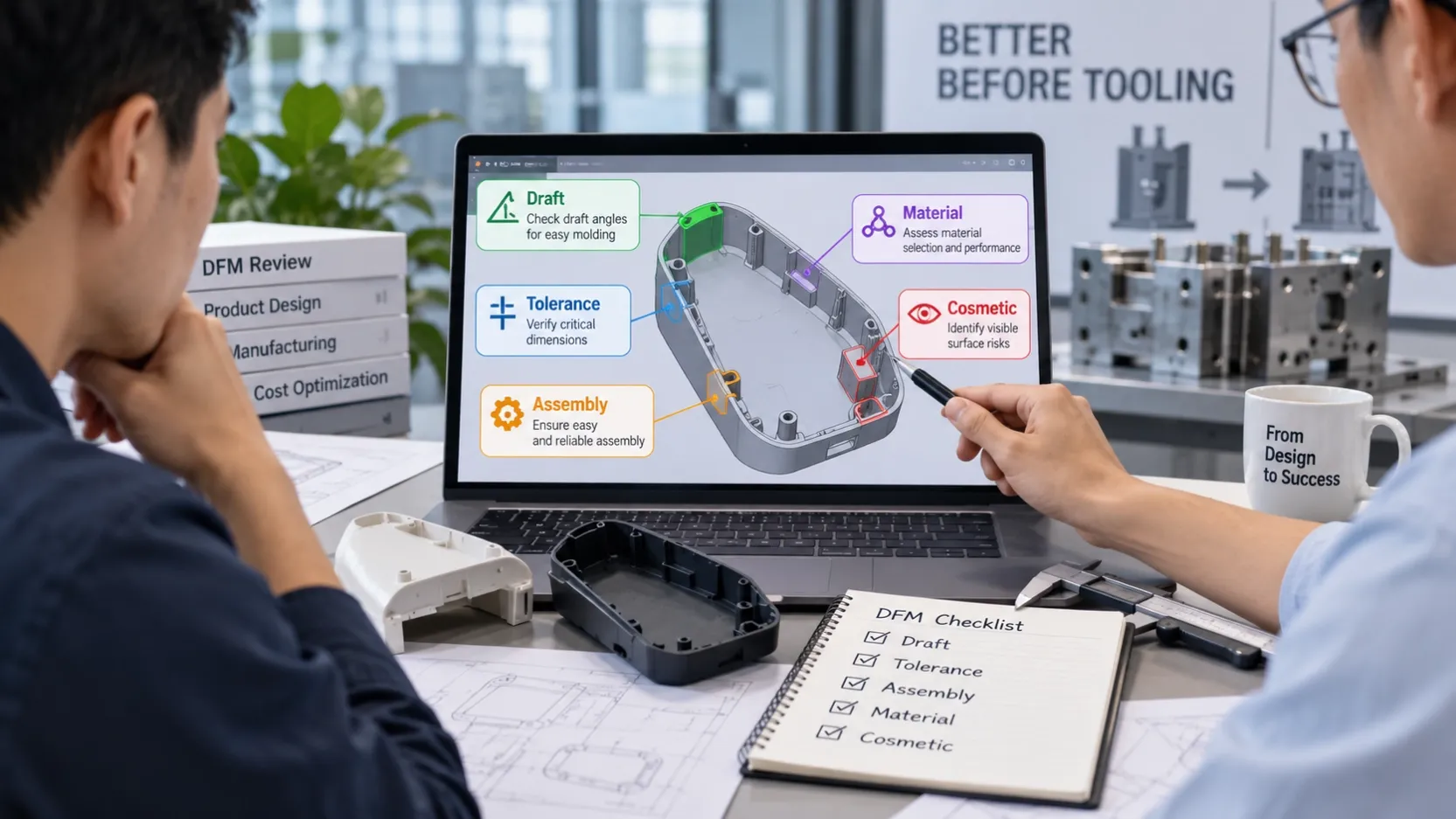
- sample approval and modification process;
- transfer procedure, timing and costs;
- treatment of unused or abandoned tooling.
Mark the tool with the project or owner name where appropriate, and keep dated photographs. If several molds, fixtures or gauges are involved, maintain an asset list rather than relying on one invoice line.
How Reality Sourcing supports tooling projects
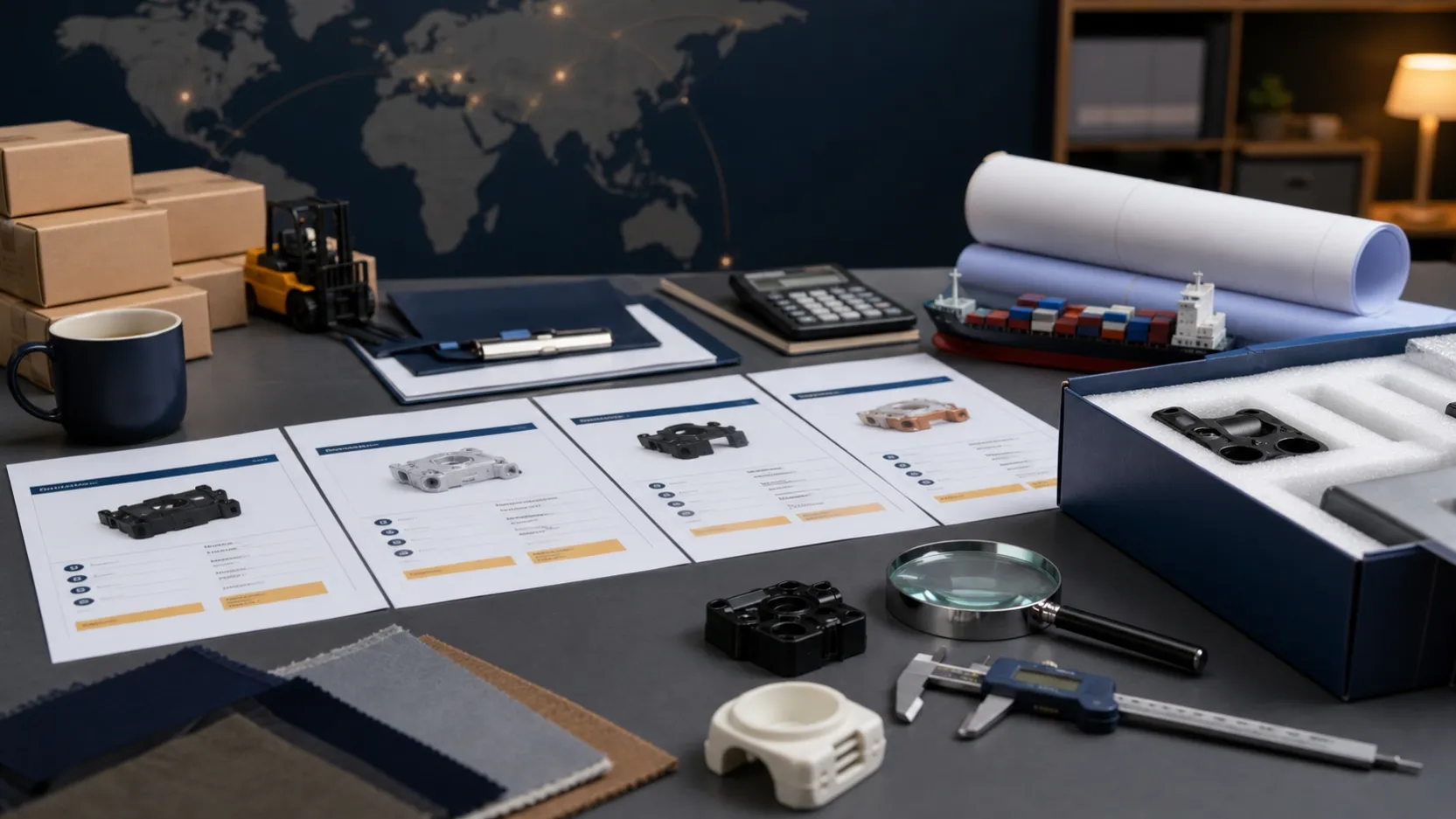
We help buyers compare tooling quotations on the same scope, coordinate design-for-manufacturing feedback and follow sample revisions. Payments can be linked to agreed milestones such as design confirmation, first trial, corrected sample and final acceptance.
During production, we can record the approved product revision and monitor significant repairs or modifications. If the buyer needs to change suppliers, we can help inventory the assets, coordinate release and assess whether the receiving factory can use the existing tooling. Transfer is not always economical; differences in machines, auxiliary equipment or maintenance condition may require changes.
Questions to answer before ordering
Send us:
- 3D files, drawings or current samples;
- material and surface requirements;
- expected annual volume;
- target product life;
- quotation and tooling terms already received;
- preferred ownership and transfer conditions.
Commercial and legal terms should be reviewed by qualified counsel where appropriate. Reality Sourcing focuses on the manufacturing evidence, supplier coordination and project execution around those terms. Share your tooling project for an initial manufacturing review.